


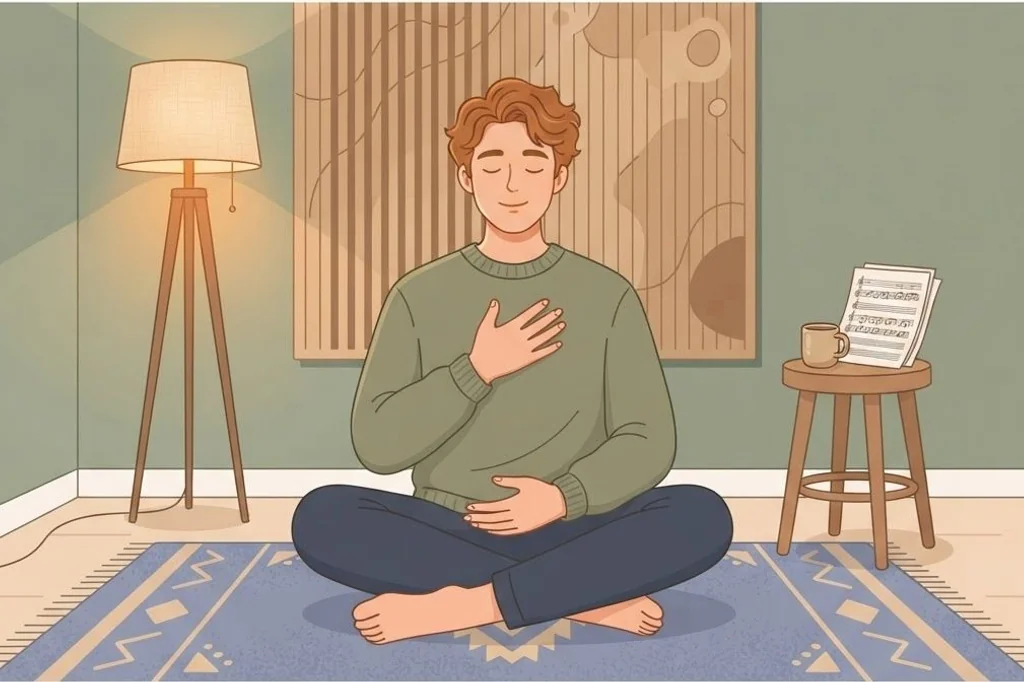
Public speaking triggers rapid physiological changes that can derail even the most experienced presenters. When adrenaline accelerates the heart beyond one hundred beats per minute, fine motor coordination falters and vocal pitch rises uncontrollably. Mastering disciplined respiratory cadences through box breathing 4-7-8 technique public speaking gives presenters a direct physiological lever to stabilize heart rate and regain poise.
Controlled breathwork directly influences the autonomic nervous system via the pulmonary baroreceptors. While emotional panic accelerates respiration to supply muscle tissue with emergency oxygen, intentional slow breathing sends reverse neural signals up the cardiac plexus to decrease stroke volume and steady the pulse. Implementing these proven protocols twenty minutes before speaking restores mental clarity and commanding vocal resonance.
Developing dependable physical self-regulation is the hallmark of genuine presentation mastery. Exploring actionable mental and communication frameworks on EZ Upskill enables ambitious learners to systematically deconstruct performance anxiety, build cognitive confidence, and articulate compelling ideas with authority.
Key Takeaways
Crucial principles for regulating cardiac arousal through structured breathwork before presentations:
- Box breathing uses equal four-second intervals to balance oxygen and carbon dioxide, stabilizing autonomic nervous tone.
- The 4-7-8 protocol emphasizes prolonged retention and exhalation to stimulate parasympathetic vagal braking.
- Respiratory sinus arrhythmia naturally slows pulse rate during exhalations, providing immediate physical relief from panic.
- Pairing breath control with active recall flashcard review ensures seamless speech outline delivery under pressure.
The Physiology of Respiratory Sinus Arrhythmia
The human cardiovascular system is intimately linked to the respiratory cycle through a biological phenomenon known as respiratory sinus arrhythmia (RSA). During inhalation, intrathoracic pressure drops, temporarily accelerating venous return to the right atrium and causing the sinoatrial node to quicken the heartbeat. Conversely, during exhalation, intrathoracic pressure increases, stimulating baroreceptors that fire inhibitory signals to slow the pulse.
Under acute performance anxiety, shallow upper-chest hyperventilation disrupts this balance. Rapid gasps trap excessive oxygen while blowing off carbon dioxide too quickly, constricting cerebral blood vessels and causing lightheadedness. By deliberately prolonging the exhalation phase relative to inhalation, speakers exploit RSA to force immediate cardiovascular deceleration.
When the breath is drawn deeply into the lower lobes of the lungs, the diaphragm descends, creating negative pressure that massages the abdominal viscera and stimulates the rich network of vagal nerve endings located beneath the stomach. This biological cascade acts as an autonomic circuit breaker against acute anxiety.
| Breathing Protocol | Interval Pattern | Primary Physiological Target | Optimal Execution Window |
|---|---|---|---|
| Box Breathing (Square) | 4s Inhale / 4s Hold / 4s Exhale / 4s Hold | CO2 stabilization & focus alignment | 15 – 30 minutes before stepping onstage |
| 4-7-8 Relaxing Breath | 4s Inhale / 7s Hold / 8s Exhale | Intense parasympathetic vagal stimulation | Final 5 minutes in the backstage green room |
| Resonant Coherence | 5.5s Inhale / 5.5s Exhale (no hold) | Heart Rate Variability (HRV) optimization | Daily morning rehearsal routine |
| Physiological Sigh | 2 Rapid Inhales / Extended Mouth Exhale | Emergency alveoli reinflation | Immediately during sudden panic spikes |
Step-by-Step Guide to Box Breathing for Focus
Popularized by elite tactical performers and high-stakes negotiators, box breathing – often called four-square breathing – creates profound mental focus while calming erratic heart palpitations. Its four equal phases re-establish autonomic equilibrium without causing drowsiness.
Begin by sitting upright in a quiet chair, relaxing the shoulders away from the ears. First, exhale all air completely through the mouth. Second, inhale smoothly through the nose for a silent count of four, feeling the lower ribs expand laterally. Third, hold the breath gently for four counts without clamping the glottis tightly. Fourth, exhale smoothly through the mouth for four counts. Finally, hold the lungs empty for four counts before beginning the next cycle.
Executing four to six continuous cycles of box breathing stabilizes blood gas chemistry, preventing the trembling hands and dry mouth associated with sympathetic nervous dominance. This foundational physical discipline connects directly with the somatic interventions analyzed in calming the physical fear response through vagal stimulation.
The 4-7-8 Technique: The Ultimate Panic Neutralizer
Developed by integrative health physicians and validated in clinical stress research highlighted by Harvard Health Publishing, the 4-7-8 method acts as a natural tranquilizer for the nervous system. Unlike box breathing, which fosters alert balance, 4-7-8 heavily weights the retention and exhalation phases to induce rapid physiological relaxation.
To execute the technique, rest the tip of the tongue against the ridge of tissue behind your upper front teeth throughout the exercise. Inhale quietly through the nose for a count of four. Hold your breath for seven counts, allowing oxygen to diffuse deeply into pulmonary capillaries. Exhale completely through the mouth, making a soft whooshing sound, for an unhurried count of eight.
Completing four rounds of 4-7-8 breathing immediately before walking to the podium drops acute anxiety by up to forty percent. The prolonged eight-second exhale stimulates acetylcholine release, relaxing constricted throat muscles so your speaking voice emerges warm and centered.
Combining breath control with the somatic release strategies detailed in progressive muscle relaxation for speakers completely dismantles pre-speech physical tension.
Protecting Speech Architecture from Mental Freeze
Even with optimal respiratory control, unexpected stage nerves can disrupt short-term memory retrieval. Attempting to memorize long speeches verbatim is a high-risk gamble; if a single phrase slips away, panic quickly resurfaces.
Experienced communicators organize their presentations into modular narrative anchors. Using active recall flashcard systems using spaced repetition software enables speakers to drill key presentation milestones, transition phrases, and data points across spaced intervals. By reinforcing mental pathways through distributed practice, your speech framework remains rock-solid in long-term memory, freeing your mental bandwidth to focus entirely on vocal pacing and audience rapport.
Grounding mental recall through systematic practice mirrors the discipline of deconstructing complex problems outlined in mental habits for first principles thinkers.
Integrating Breathwork into Live Delivery
Breath control does not end when you step onstage; it forms the rhythmic foundation of persuasive vocal delivery. Inexperienced speakers rush through sentences without taking air, running out of breath mid-phrase and sounding frantic. Professional speakers use punctuation marks as deliberate breathing pauses.
Whenever you finish an impactful slide or transition between major points, take a silent, diaphragmatic breath through your nose while scanning the audience. This two-second silence allows your listeners to absorb your core insight while keeping your heart rate anchored in a calm, confident rhythm.
Frequently Asked Questions
Should I breathe through my nose or mouth before speaking?
Inhaling through the nose filters and humidifies air, preventing vocal cords from drying out, while exhaling slowly through gently parted lips stimulates the vagal relaxation reflex.
Can box breathing make you feel lightheaded?
If you force excessive air volume during inhalations, mild hyperventilation can occur; focus on smooth, gentle diaphragmatic breaths rather than stretching lung capacity to its absolute limit.
How many minutes before a speech should I begin breathwork?
Begin box breathing fifteen to twenty minutes prior to your presentation to stabilize baseline cardiovascular metrics, followed by four cycles of 4-7-8 breathing five minutes before taking the stage.
What if my heart starts racing while I am already speaking?
Incorporate deliberate rhetorical pauses: ask the audience a reflective question, pause for three seconds to take a calm belly breath, and resume speaking with measured vocal projection.
Conquering performance anxiety begins with mastering your autonomic biology. By practicing box breathing and the 4-7-8 technique with disciplined precision, ambitious presenters command their heart rate, banish stage fright, and deliver transformative speeches with unshakable poise.